Why Launch Marketing Strategy Decides Whether Your Food Brand Goes Viral - or Gets Ignored
2026-07-10
7 Mins Read
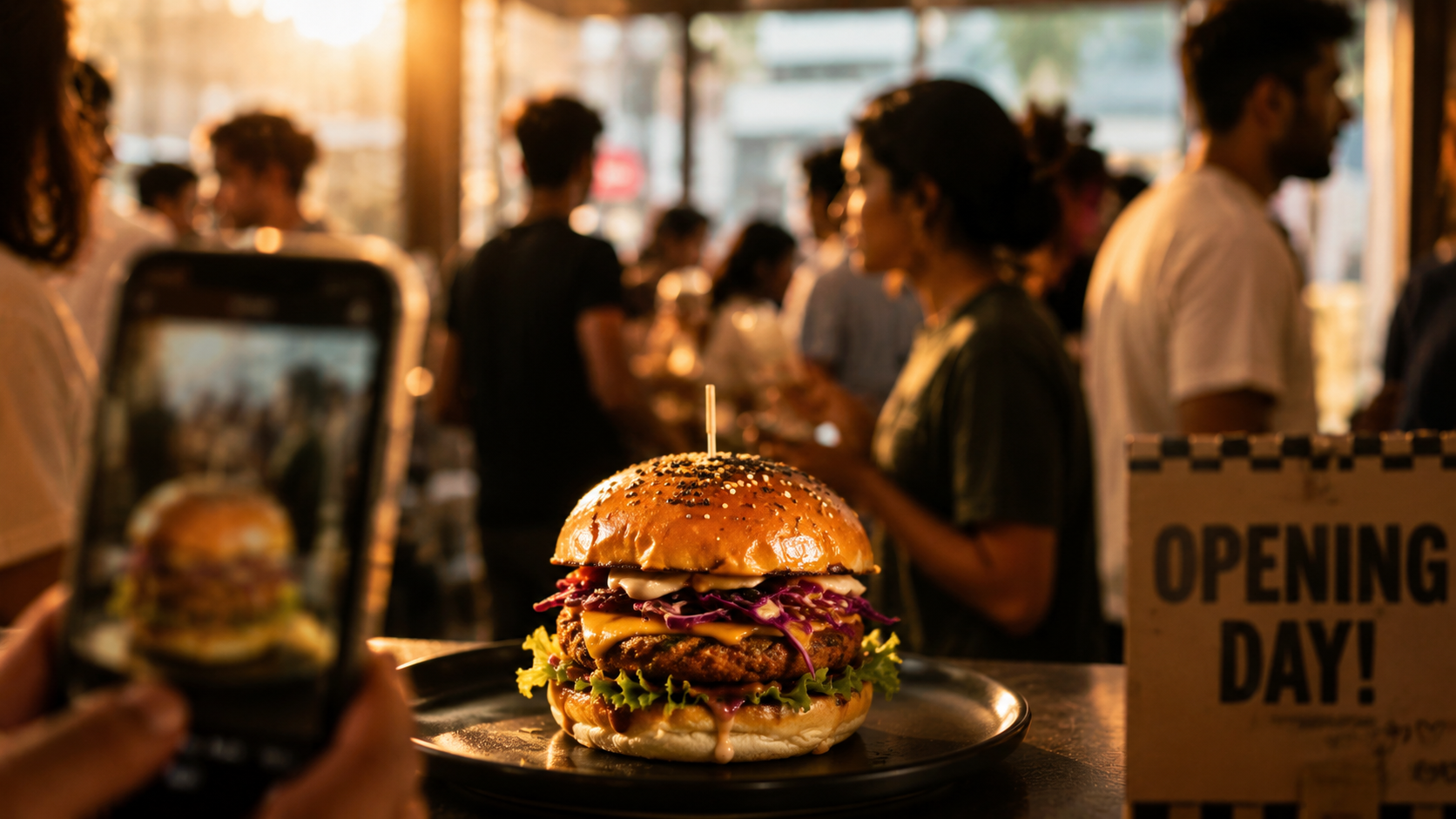
A food brand doesn't go viral by accident. It goes viral because someone decided, before opening day, exactly which product was going to carry that weight and built the launch around it. Most founders treat marketing as something you sort out once the kitchen is running. By then the launch - the one moment that actually gets a brand noticed - has already come and gone quietly.
Nikita Dalwani, Co-Founder and Creative Director at DNY Hospitality, puts it more bluntly: a launch isn't a marketing task you bolt on at the end. It's a decision you make at the concept stage, and the food brands that skip it are usually the ones wondering three months later why nobody showed up.
What does launch marketing actually mean for a food brand?
Launch marketing is the specific set of activities built around opening day - sampling at the right locations, a launch event, PR outreach, and getting the digital basics live (Zomato and Swiggy listings, Google Maps, a working social presence) before the first customer walks in. It's not the same thing as ongoing brand marketing. It's a short, deliberate window, and what happens inside it sets the trajectory for the next several months more than any campaign that comes after.
Most first-time founders spend their whole budget and attention on the kitchen, the interiors, and the menu, then squeeze marketing into the final two weeks. Brands that get noticed do the reverse. They treat the launch as a designed event with one job: introduce a single thing people will remember and talk about.
Nikita's view here comes from watching the pattern repeat across hundreds of openings. Her guiding principle has always been what she calls "common sense over the manual" - and common sense says a customer who was handed twenty new things to try walks out remembering none of them.
Why do some launches go viral while others fall flat?
Virality shows up when a brand builds its launch around one hero product designed to be shareable, instead of spreading attention across a full menu. A 20-item opening menu gives a customer nothing specific to talk about. One product - engineered to look distinctive or taste genuinely different - gives them exactly one thing to post.
At Leafy Boi, a gourmet veg burger brand DNY built from concept in Thane, the launch wasn't "a burger place." It was built around a single hero product, the signature veg burger, designed to be the thing people came in for and posted about. That hero product went viral and delivered 8x the growth projection originally modeled for the launch phase. The virality wasn't luck. It was the plan.
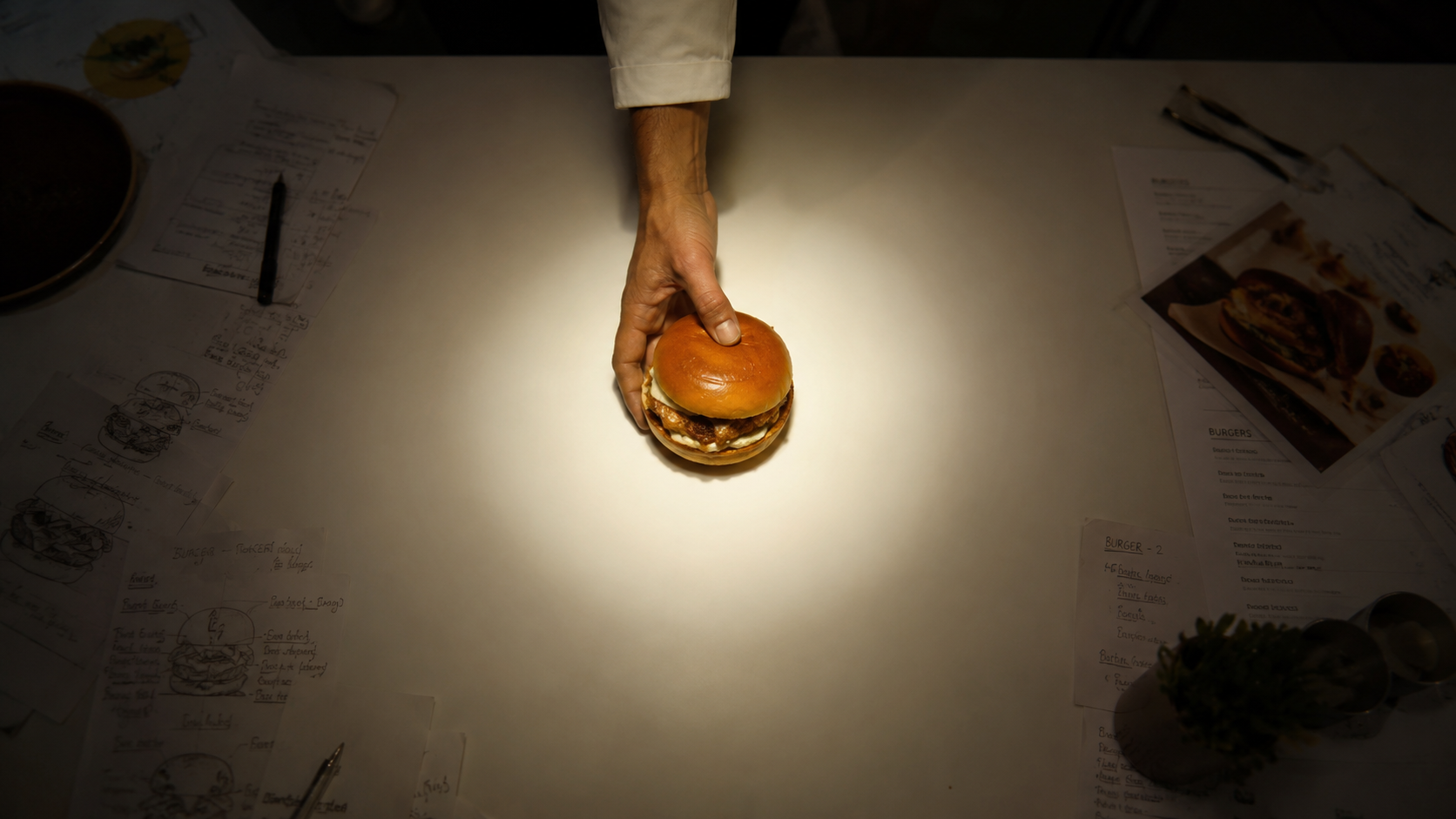
Nikita is direct about why this works and why founders resist it. Cutting the launch story down to one product feels like leaving money on the table - you have a full menu, so why point at one dish? Her answer is that attention doesn't split. A customer will carry one idea out the door and repeat it to a friend. Give them ten and they carry zero.
Can virality actually be planned, or is it always luck?
It can be planned, though never guaranteed. What you can engineer is every structural advantage for a product to be shared: a distinctive look, a strong first bite, and a launch moment that puts it in front of the right people early. What you can't engineer is the exact size of the response.
At WOFL, DNY's waffle and dessert brand in Dubai, product innovation around a new offering generated more than 20,000 organic engagements. That wasn't a paid campaign chasing views. It came from building something genuinely worth talking about and giving it a real moment to be seen - the same mechanism behind Leafy Boi's launch, applied to a different market and a different format.
This is the distinction Nikita draws for founders who either dismiss virality as a lottery or expect it on command. You can stack the deck. You can build the product, choose the moment, and place it in front of the right first crowd. You still can't dictate how far it travels - and anyone promising you a guaranteed number is selling something. Her advice: control the inputs, respect that the ceiling isn't yours to set.
Why does hyperlocal marketing matter more than national branding at launch?
National-style branding builds long-term recall, but hyperlocal marketing - tailored to exactly who's within walking distance - is what fills seats and drives orders in the first weeks. A brand next to an office hub should own the lunch rush specifically, not run a generic "great food" message. A café near a college should be built around how students actually spend. A dessert brand should position itself around festivals, gifting, and late-night cravings, because that's when the customer is already thinking about dessert.
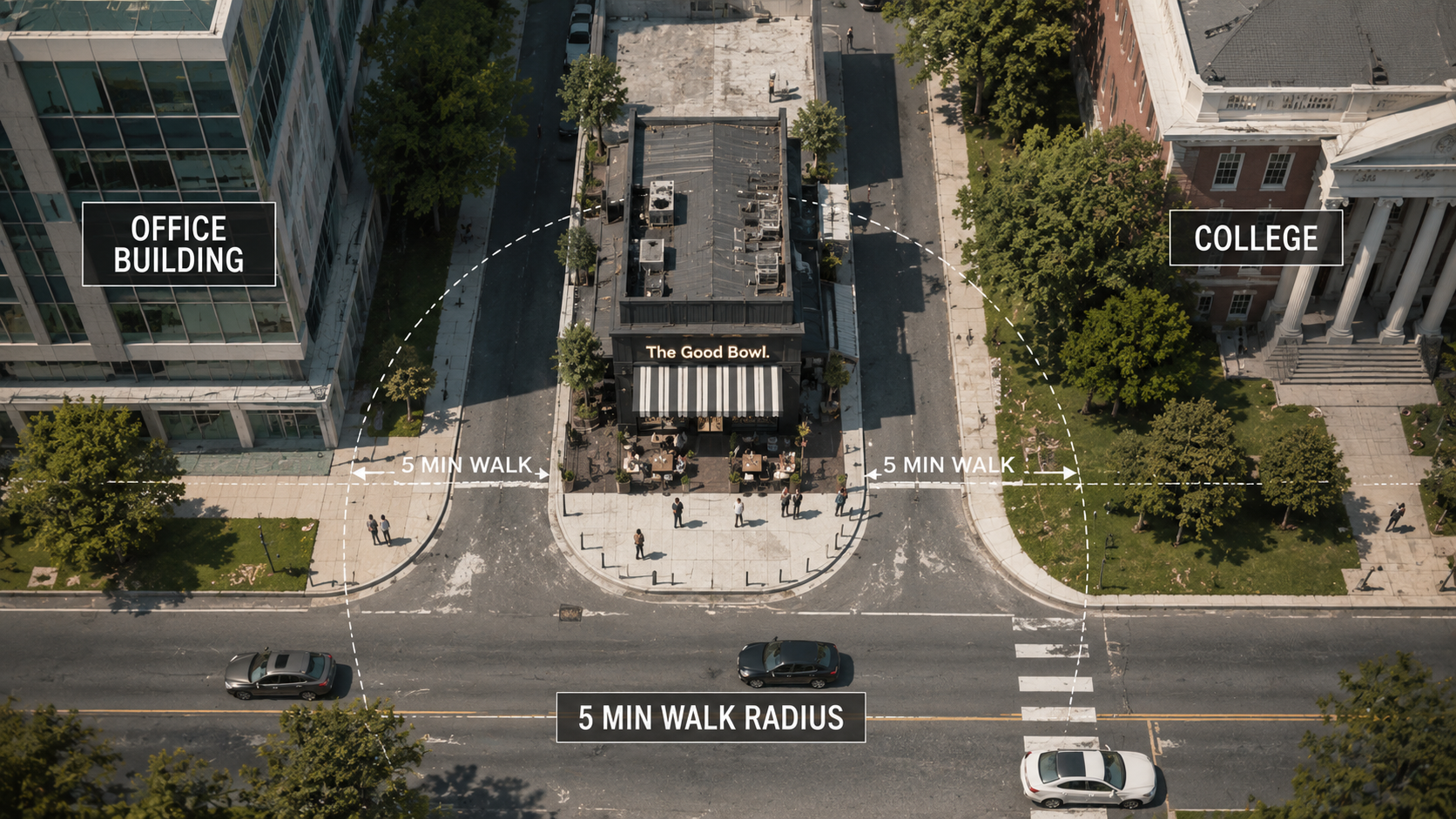
This matters more at launch than later, because a new brand has no customer base yet to support a wide, unfocused message. The audience within a five-minute radius of the door is the one that decides whether month one works at all.
Nikita frames this as reading the neighbourhood before writing a single caption. Who is actually standing outside your shutter at 1 PM? What are they already hungry for, and when? A launch that answers those questions for the fifty people nearest the outlet beats a beautiful campaign written for a city that has never heard of you.
What happens to a food brand with no launch marketing strategy?
Without a deliberate launch, a new outlet opens quietly, relies entirely on walk-in discovery, and builds awareness at the slowest possible rate - right when it can least afford a slow start, because rent and running capital are already going out the door regardless of footfall. The launch window is the one moment a brand gets genuine curiosity simply for being new. Miss it, and you're later fighting for attention as one option among many, instead of using the "just opened" moment while it still exists.
DNY saw the other side of this with The Croffle Guys, a Mumbai brand and Shark Tank India qualifier that grew from 5 to 20+ outlets in FY26. The operational systems and reduced owner dependency built into the brand gave it room to scale - but scale only matters because there was demand worth scaling into. A brand can have flawless kitchen operations and still sit empty if nobody knew opening day happened.
Nikita's take is that operations and marketing get treated as separate departments when they're really one bet. Perfect systems with no demand is an expensive way to stay unknown. Demand with no systems collapses the first busy weekend. You need both pointed at the same opening.
How does launch marketing connect to the rest of the brand's positioning?
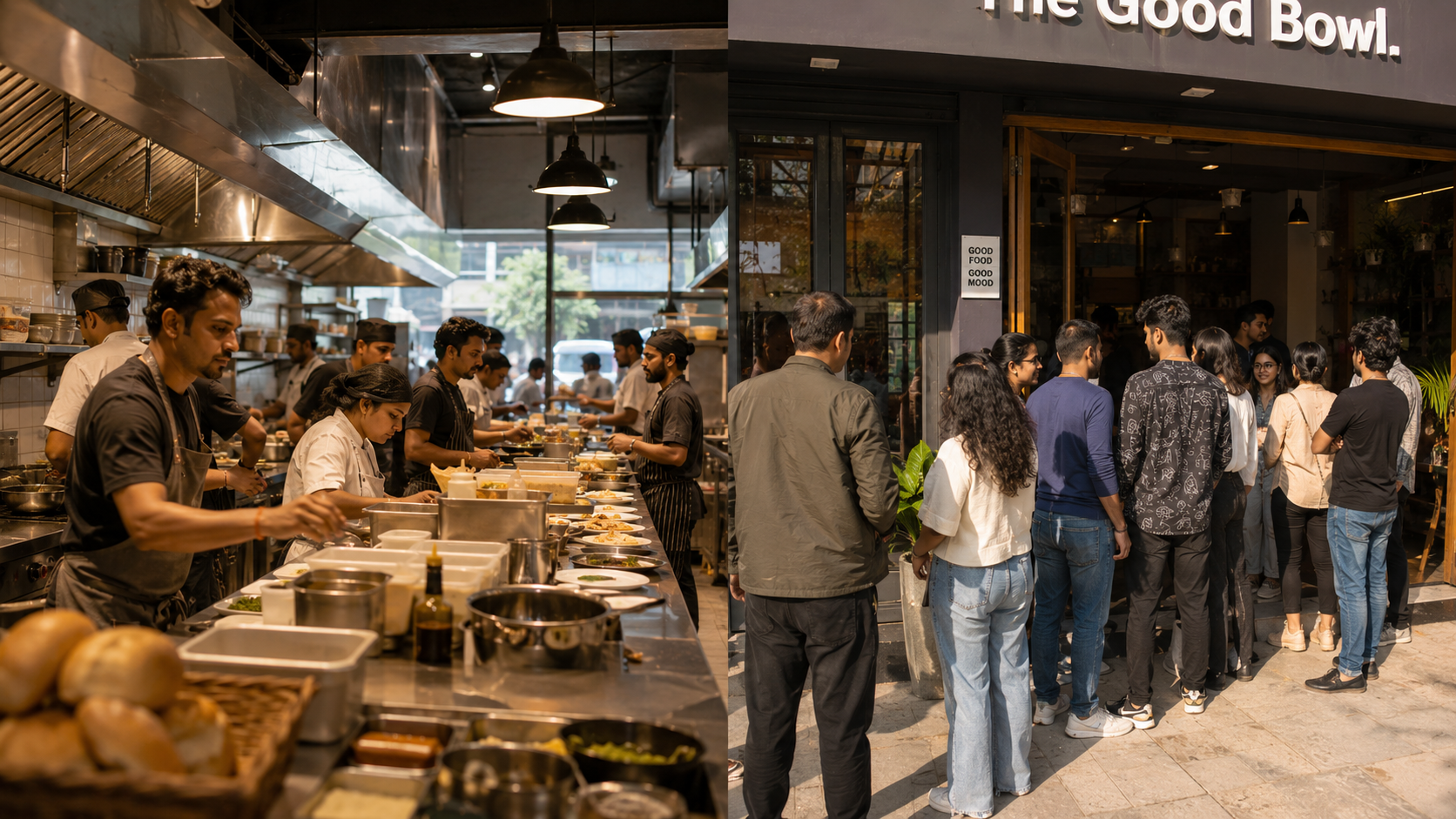
Launch marketing only works when it's honest about what the brand already decided - the concept, cuisine, and USP that make it different from every other option nearby. You can't manufacture virality for a hero product that has nothing actually distinctive about it. The launch amplifies what's true about the brand; it doesn't invent it.
That's why DNY builds brand positioning and launch marketing as one connected decision rather than two phases handed to different teams. And it's the point Nikita comes back to most often: the launch is a mirror, not a mask. If the product is genuinely different, the opening makes people notice fast. If it isn't, no amount of launch spend fixes that - it just spends faster.
Talk to DNY: If you're weeks away from opening and don't yet have a hero product or a launch plan built around it, DNY's marketing team can help you find the one thing worth building your launch around before the date is locked in. Reach out at support@dnyhospitality.com or dnyhospitality.com.
Share


Related Blogs

Covid 19 phase: is this the right time to invest in restaurant business?
Restaurant businesses have exhibited trends of cumulative growth continuously. Under various situations, the food business has always adapted accordingly.
20 intelligent ideas to sustain in food and beverage industry – COVID-19
Ideas to sustain in F&B Industry or any other industry isn’t less than a challenge in the prevailing pandemic situation. The world in totality is battling to endure.
Top 13 Organic Strategies for Social Media Marketing for Restaurants
Social media marketing for restaurants is playing a remarkable role in the positioning of dining destinations in the ultra-modern digital world.