5 Signs Your Food Business Isn't Ready to Scale (Even If the Sales Look Fine)
2026-07-10
7 Mins Read
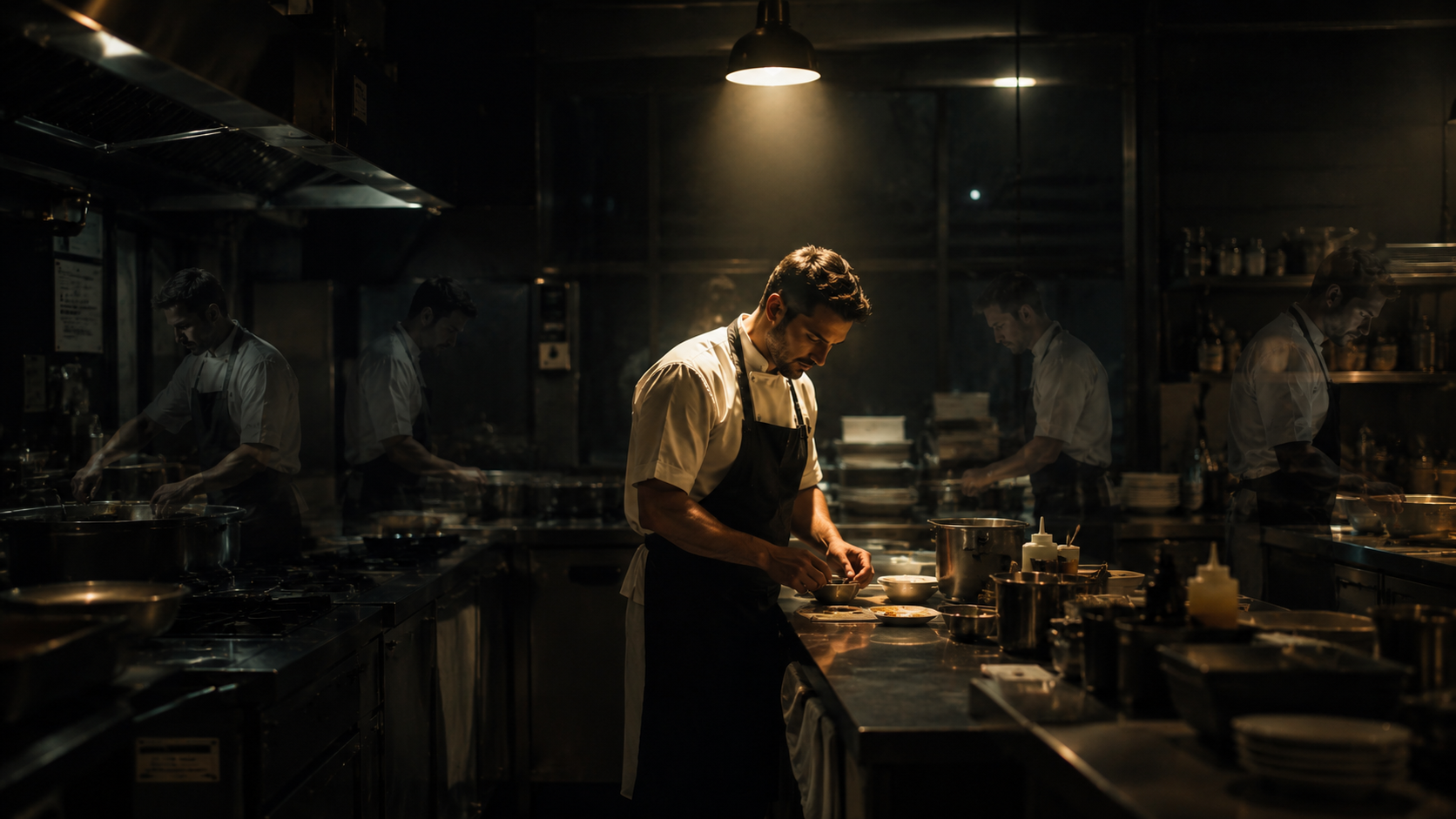
The outlet is doing well. That's exactly the problem.
Here's the trap: a restaurant does decent numbers, the owner feels confident, and the next move seems obvious - open outlet two. Then outlet two doesn't taste the same, doesn't run the same, doesn't make the same money. Outlet three makes it worse. By outlet four, the owner isn't running a chain - they're running four separate crises that all need them personally, at the same time.
Over 11+ years and 550+ F&B projects, we've watched this play out with founders who were smart, hardworking, and completely blindsided - because the signs were there months before the second outlet ever opened. They just didn't know what to look for.
This isn't a list of vague red flags. These are the five specific, fixable things we check for before we let a client even think about scaling.
Sign 1: The business only works when the owner is in the building
Ask yourself honestly: if you took a 10-day trip with no phone, would the food still taste the same on day 7? Would service still run on time? Would the numbers still add up when you got back?
If the answer is no, you don't have a restaurant. You have a very demanding job wearing a restaurant's clothes.
This is the single most common reason franchise and multi-outlet plans collapse before they start. A concept that depends on one person's palate, one person's eye, one person's presence can never become outlet two - because outlet two needs a version of you that can be in two places at once, and no one can hire that.
The fix isn't "work harder" or "trust your staff more." It's building the system that makes your presence optional: standardised recipes with exact grammages, daily checklists, a manpower structure with real role clarity, and an owner who's trained to delegate instead of firefight. It's the same principle we used to help Yewale Amruttulya run 700+ tea outlets without every single one needing the founder on-site - and it's the exact gap we closed for The Croffle Guys before their outlet count could responsibly grow past five.
Sign 2: The same dish tastes different depending on who's cooking
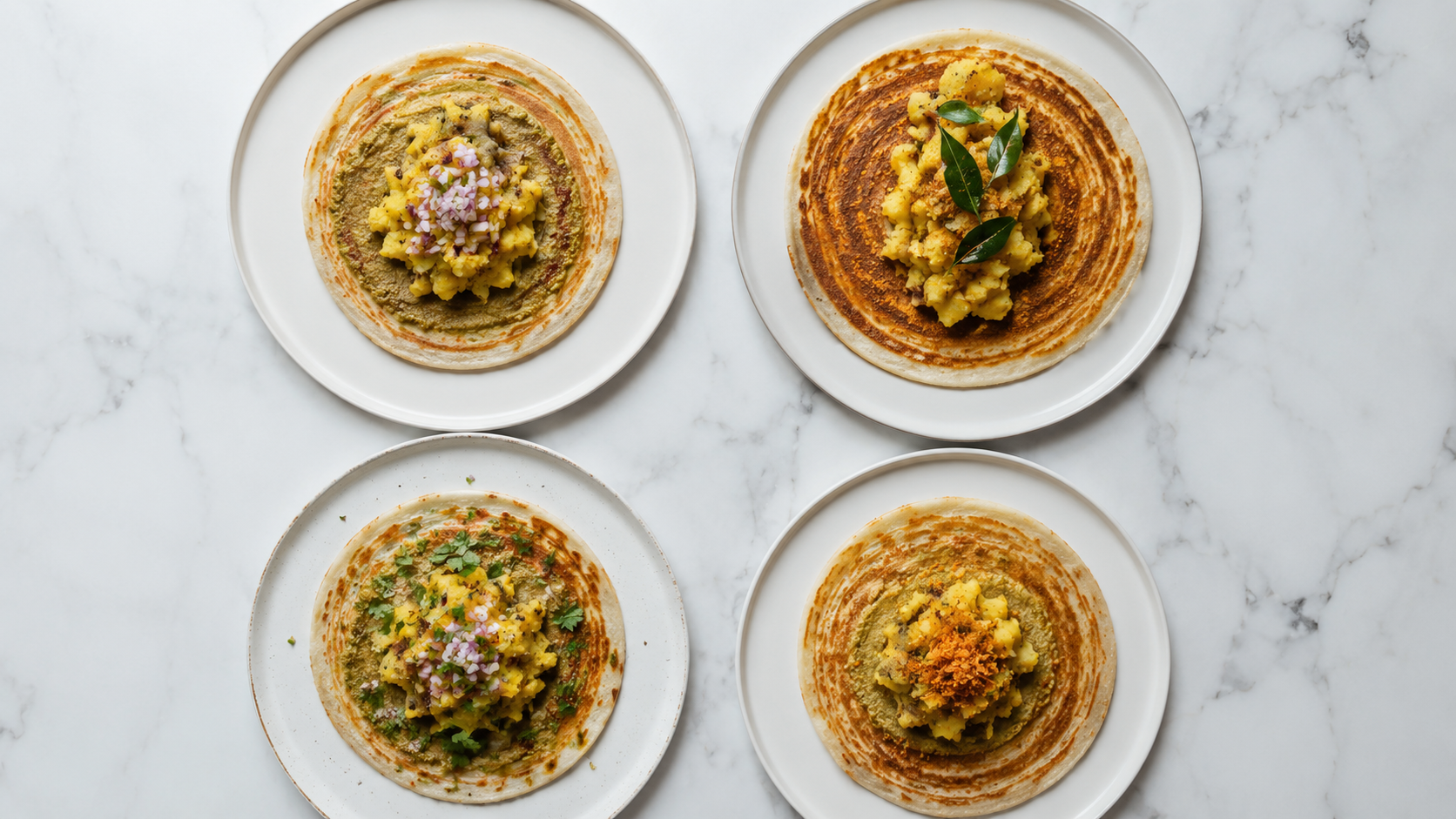
If regulars have ever said "it used to taste better" or "it's not consistent," that's not a compliment problem - that's a systems problem. It means your recipes live in someone's head and hands, not on paper with exact weights and steps.
This is invisible until it isn't. One outlet, one kitchen, one core team - inconsistency is rare because everyone's watching everyone. The moment you add a second location, a new shift, or a new hire, the gap shows up immediately, and it shows up in reviews.
The test is simple: could a new cook, on their first week, with no supervision, make your hero dish exactly right using only a written recipe? If the honest answer is no, you're not ready to put your name on a second door - because you don't actually know what "your food" tastes like on paper yet, only in practice.
Sign 3: Costs are creeping and nobody can say exactly why
Revenue looks fine. Profit doesn't. Ask most owners in this position what their food cost percentage is on their top three dishes and you'll get a shrug, not a number. That shrug is the actual problem - not the cost itself.
A food business without granular food-cost tracking is flying by feel, and feel gets worse under pressure, not better. Vendor prices creep, portion sizes drift, wastage goes unmeasured, and margin quietly disappears one un-tracked kilogram at a time. It rarely announces itself as a crisis - it just shows up as "we're busier than ever and somehow making less."
This is exactly the pattern we found at Sanata Snacks, a 40-year legacy Mumbai brand: once we structured operations and actually measured what things cost, food cost dropped 16% in eight months - not by cutting quality, but by finally seeing where the money was leaking. You cannot fix what you've never measured. Scaling a business that's already bleeding margin just means bleeding faster, across more locations.
Sign 4: There's no written playbook - just "how we do things here"
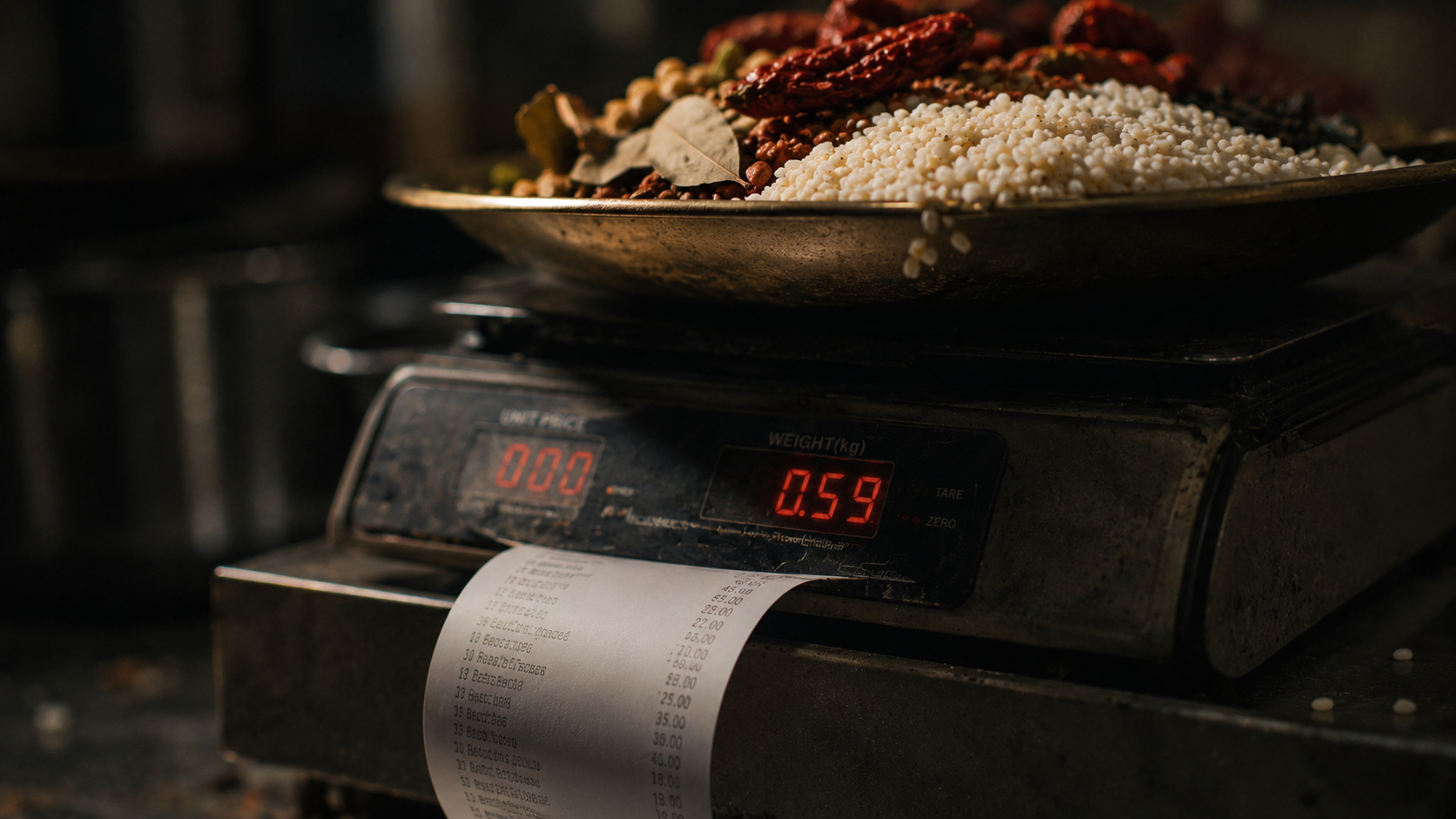
New hire joins. Someone shows them around for a day. They pick things up "as they go." Sound familiar? That's not onboarding - that's hoping.
Without a real SOP - a written, specific answer to "what exactly happens, in what order, done by whom" for opening, closing, hygiene, cash handling, and service - every new team member is a small roll of the dice. Some will figure it out. Some won't. Either way, quality becomes a lottery instead of a promise, and the owner ends up re-explaining the same things monthly, forever.
This was the exact state Arabian Bites was in before they scaled from 3 outlets to 7+ with a central kitchen behind them - near-zero documented process, everything running on institutional memory. Once that got written down, trained, and enforced, the outlets stopped needing constant hand-holding and started running like a system. A business without SOPs doesn't scale. It just gets more chaotic, proportionally, with every outlet you add.
Sign 5: The menu has grown, but nobody's asked if it should have
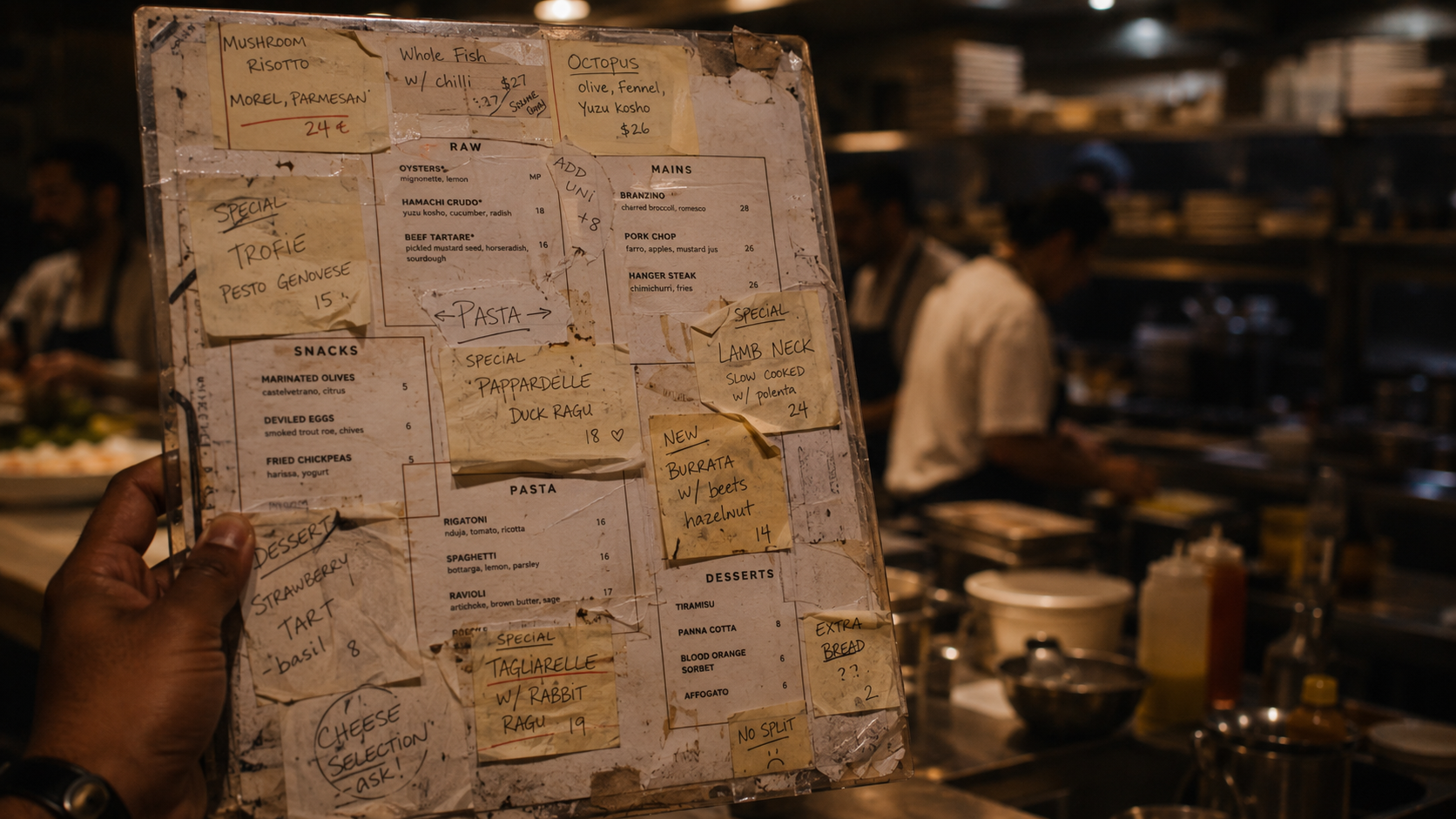
Success tends to bloat a menu, not sharpen it. A regular asks for something off-menu, you say yes to keep them happy. A trend shows up, you add a version of it. Eighteen months later, you've got 45 SKUs, half of which sell twice a week, and your kitchen is juggling ingredients for dishes that barely move the needle.
A wide, unfocused menu doesn't just confuse customers - it slows your kitchen down on every single order, inflates your inventory, increases wastage, and makes training a new cook exponentially harder, because now they need to know 45 things instead of 20. We've watched kitchen pickup times fall from 20 minutes to 7 at Shree Krishna Refreshments, and from 15 to 5 at Sanata Snacks - and in both cases, trimming the menu to what actually sells was as important to that number as anything on the equipment side.
If you can't say, off the top of your head, which five dishes drive 60% of your revenue - your menu is working against your speed, not for your brand.
What these five signs have in common
None of them are about ambition, funding, or demand. Every single one is about whether the internals of the business - the recipe, the cost structure, the process, the menu - are actually built to be repeated. Scaling doesn't create these problems. It just finds them, fast, and multiplies whatever it finds.
The good news: every one of these is fixable, and none of them require a bigger outlet, a new location, or more capital before you start. They require someone to sit inside the business, measure what's actually happening, and build the version of it that doesn't depend on luck, memory, or one person's presence.
That's the work we do before we ever talk about outlet two - menu engineering with real food-cost math, recipe standardisation down to the gram, SOPs that hold up without the owner in the room, and a kitchen system built for the volume you actually want to hit. Get these five things right, and scaling stops being a gamble. It becomes the next logical step in a business that was already built to repeat itself.
If any of these five sound familiar, that's worth a conversation before it's worth a second lease.
Share


Related Blogs

DNY Hospitality: A Leading Restaurant Consultant
DNY Hospitality takes pride in introducing itself as one of the highly sagacious restaurant consultant in the F&B business.

25 Reasons Why You Need a Restaurant Consultant
Opting for a professional restaurant consultant in the making of your restaurant or food & beverage venture is of high value in the standardisation of your brand.

procurement and liaison
DNY Hospitality is a one-stop solution for your Restaurant consulting & Procurement & Liaison for setup. DNY liaisons with A to Z vendors for procurement of restaurant & hotel supplies.