7 Myths About EBITDA in the Food Business (And What's Actually True)
2026-07-10
5 Mins Read
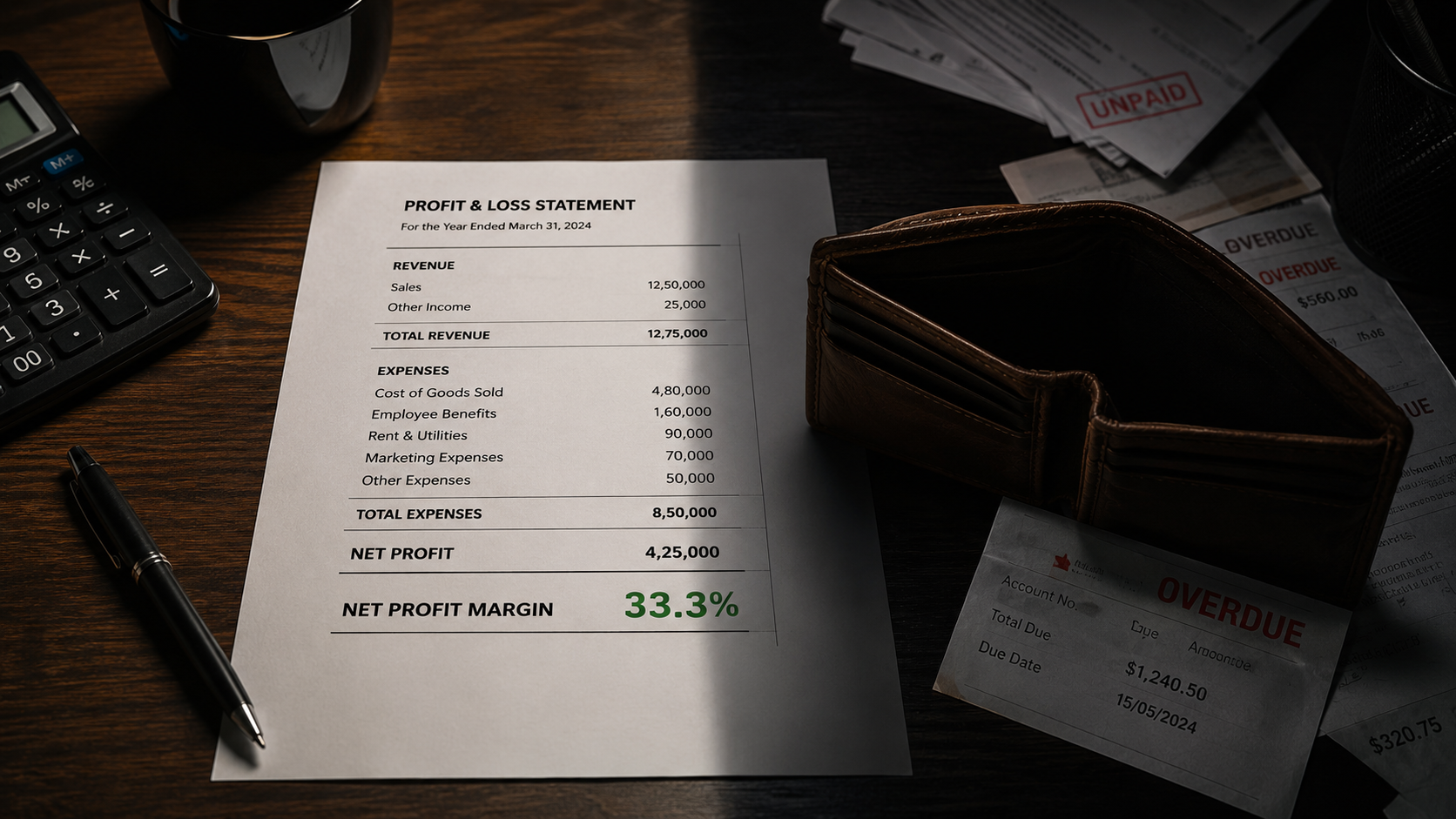
EBITDA - Earnings Before Interest, Tax, Depreciation and Amortisation - is the single most misunderstood number in a food business owner's P&L. It's meant to show how profitable the core operation is, before accounting-level deductions get involved. A healthy F&B EBITDA sits between 15–25%. But most owners either chase the wrong version of this number or ignore it until an investor asks for it. Here are seven myths we run into constantly during audits, and what the number actually tells you.
Myth 1: EBITDA is the cash sitting in your bank account
It isn't. EBITDA is a measure of operating profitability, not liquidity. You can post a strong EBITDA margin and still be short on cash if you're carrying high receivables, sitting on excess inventory, or servicing loan principal that EBITDA doesn't account for.
We've seen owners look at a 20% EBITDA and assume they're free to expand immediately, only to find their actual bank balance tells a different story once rent deposits, vendor payments, and equipment EMIs are settled. EBITDA tells you the business model works. It doesn't tell you whether you can write a cheque today.
Myth 2: A high EBITDA % automatically means the business is healthy
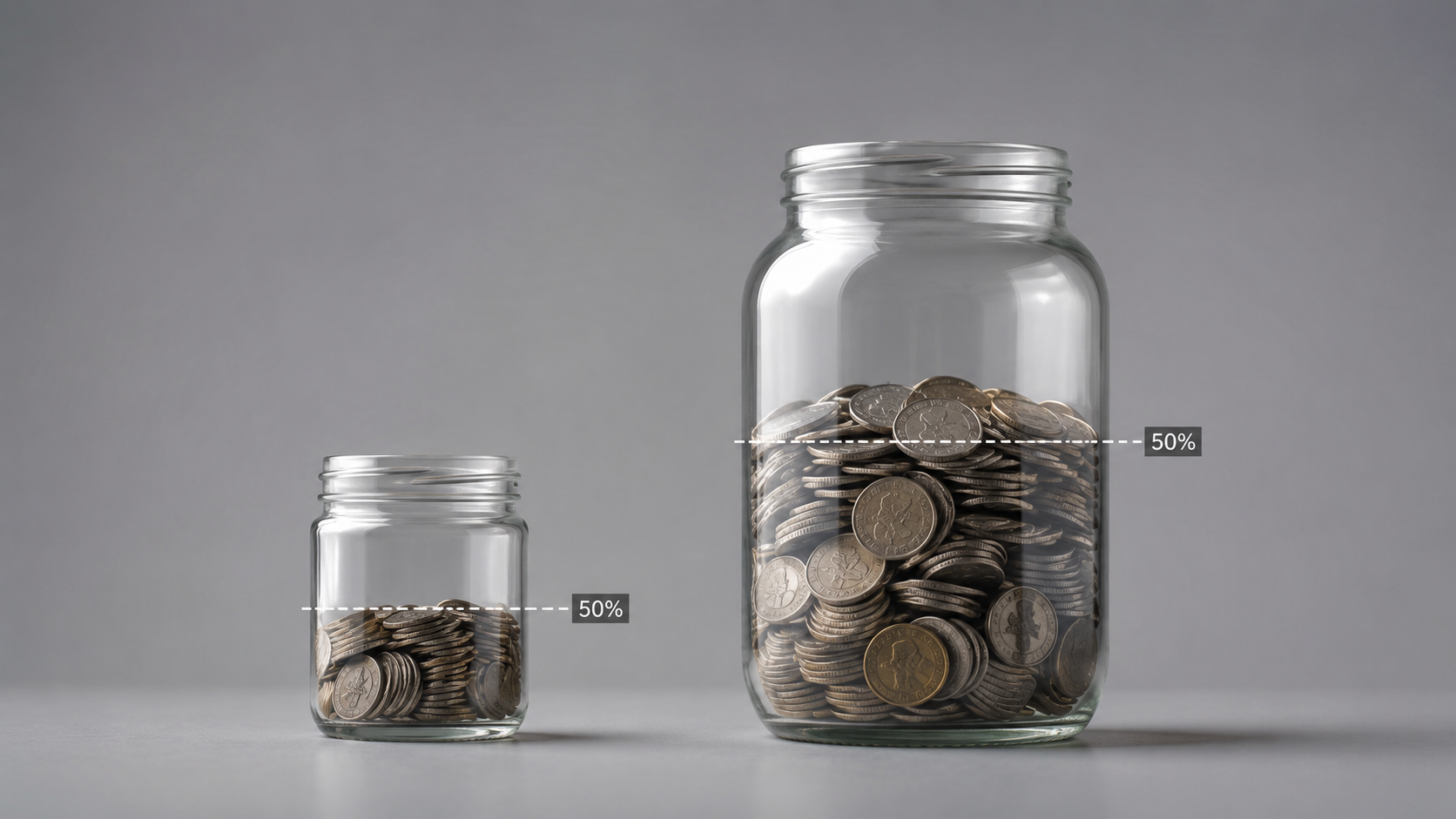
EBITDA percentage alone hides where the money is actually going. A café doing 22% EBITDA on ₹8 lakh monthly revenue is in a very different position than one doing 22% on ₹25 lakh - the second has far more room to absorb a bad month.
At Sanata Snacks, a 40-year-old legacy mithai brand in Borivali, Mumbai, we didn't stop at the EBITDA figure. We reduced food cost by 16% over eight months, brought in senior kitchen talent, and cut kitchen order pickup time from 15 minutes to 5 - and the EBITDA that resulted (22% monthly) was a symptom of a fixed system, not the fix itself. Chasing the percentage without touching the system behind it rarely holds.
Myth 3: EBITDA only matters once you're looking for investors or franchisees
Owners often treat EBITDA as a "big brand" metric - something you calculate right before a funding round or franchise pitch. In practice, it's the earliest warning system a single-outlet owner has. A slipping EBITDA trend over three or four months tells you something is breaking - food cost creep, wastage, a staffing issue - long before the monthly P&L "feels" wrong.
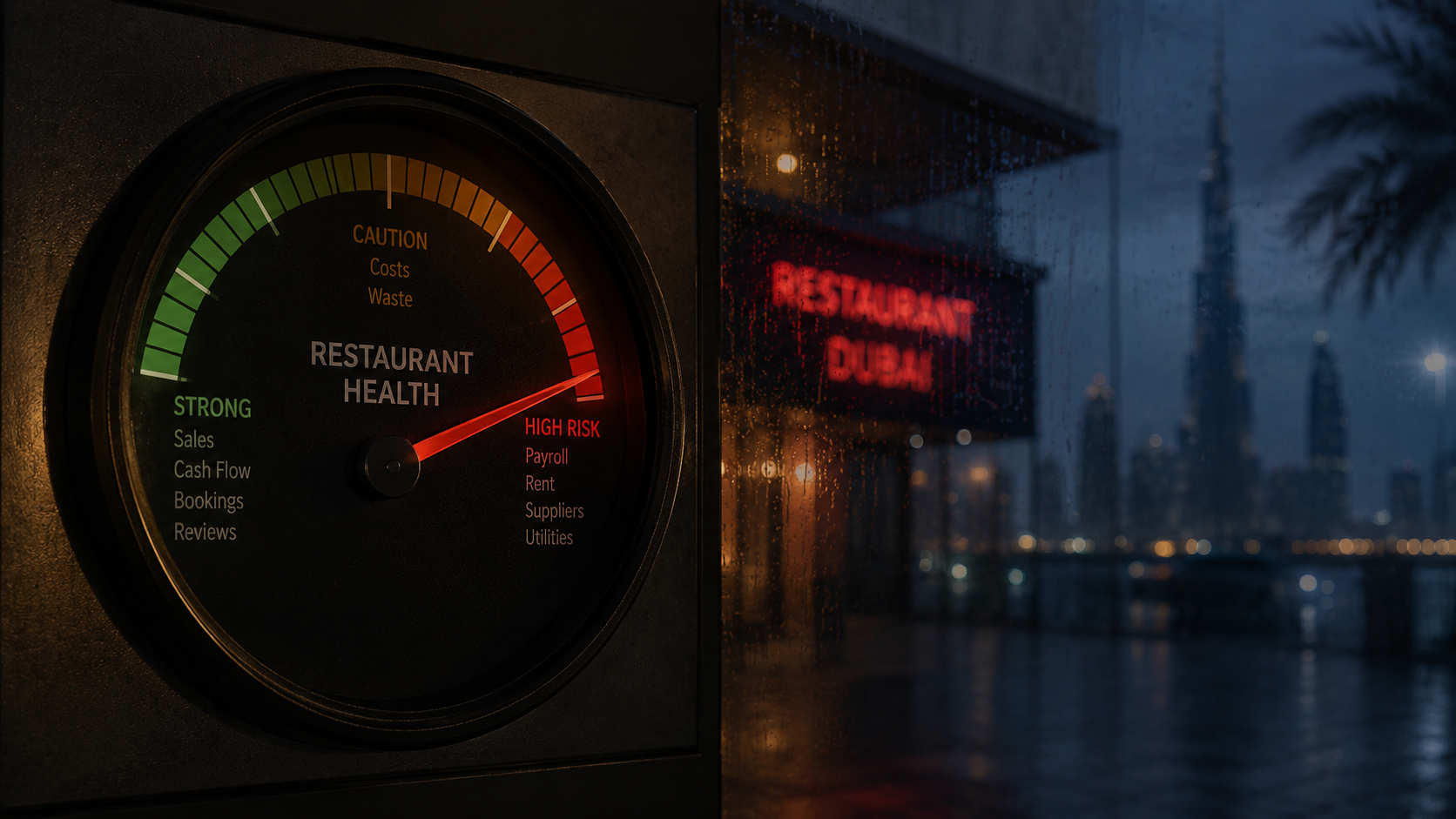
At WOFL, our Dubai-based dessert and waffle client, EBITDA had drifted to -5% before anyone treated it as a business emergency rather than a bad quarter. Once we traced it to a single non-performing, high-rent location and inconsistent product execution, closing that outlet and standardising recipes took EBITDA from -5% to +15% in six months. The number wasn't the problem - it was the earliest place the problem showed up.
Myth 4: Revenue growth automatically improves EBITDA
More sales does not mean more margin. If revenue grows because of heavier discounting, aggregator commissions, or added menu complexity, EBITDA can actually shrink while the top line looks great on a dashboard.
This is why we treat the menu as financial architecture, not just a list of dishes. Every SKU (Stock Keeping Unit - one unique menu item) should earn its place through contribution margin, not just popularity. A brand adding 15 new items to chase footfall usually adds inventory, wastage, and kitchen complexity faster than it adds EBITDA.
Myth 5: EBITDA should look the same across every restaurant format
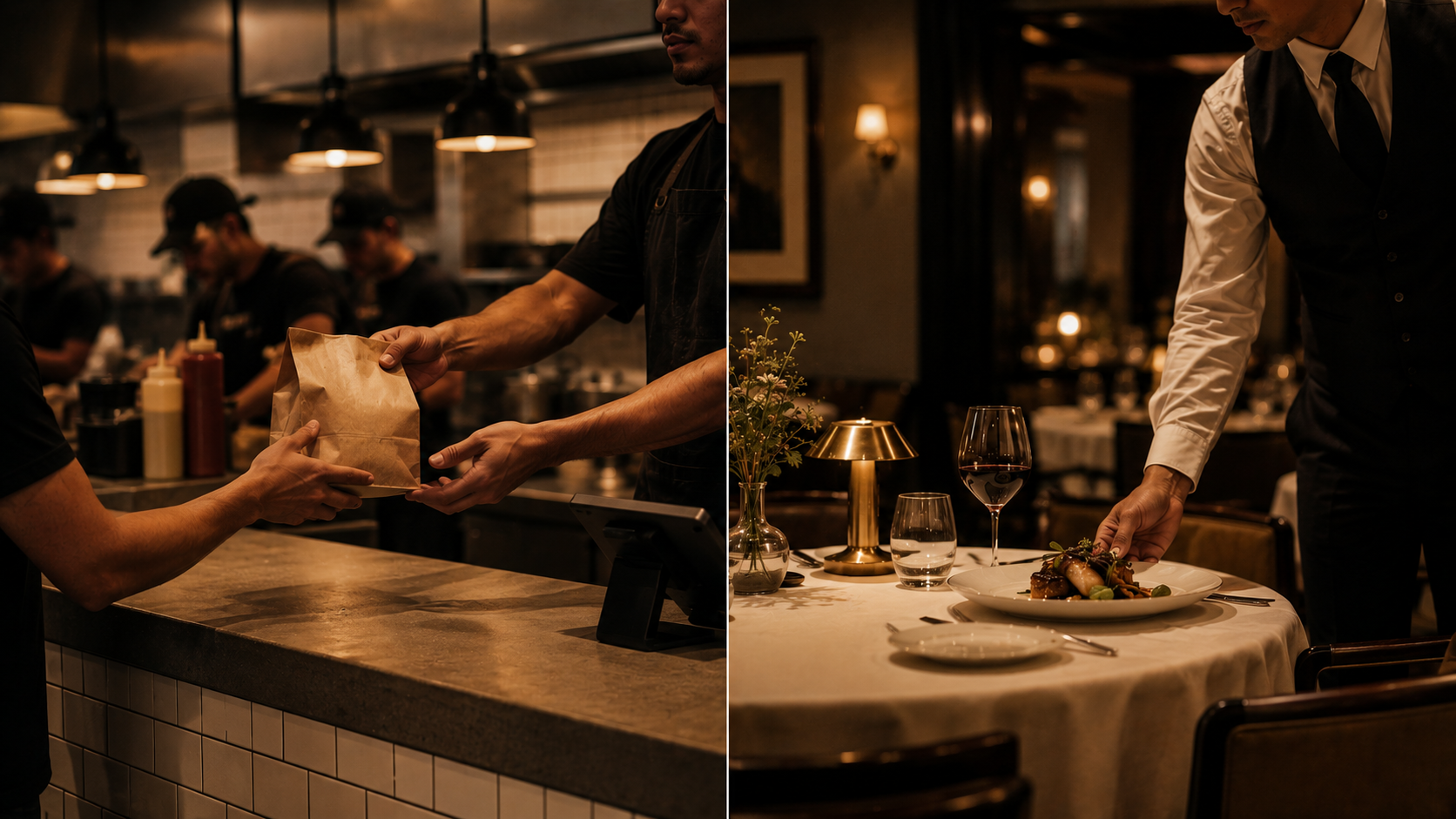
A QSR (Quick Service Restaurant - fast, mostly counter-service, ₹150–400 average order value), a cloud kitchen, and a fine-dining outlet carry fundamentally different cost structures, so benchmarking them against one flat EBITDA target is misleading. A cloud kitchen with no FOH (Front of House - the dining area and service staff) rent can often post a leaner cost base than a full-service diner carrying ambiance and table service overhead.
At Arabian Bites in Pune, a Middle Eastern QSR chain, we scaled from 3 outlets to 7+ plus a central kitchen and moved the brand from near-zero SOPs to a fully process-driven operation, landing at 19% EBITDA. That number reflects a QSR's cost structure specifically - it isn't a target to force onto a sit-down restaurant with a completely different FOH-to-BOH cost split.
Myth 6: A good EBITDA number alone makes a brand franchise-ready
Franchising is replication, not expansion - and one profitable outlet with a strong EBITDA doesn't prove the model will replicate. Investors and serious franchisees look past the single number to unit economics proven across two to three years, documented SOPs (Standard Operating Procedures - step-by-step process documents ensuring every outlet runs the same way), and whether the outlet actually runs profitably without the founder physically present.
Yewale Amruttulya, India's largest tea QSR chain with 700+ outlets, didn't scale to that size on a strong EBITDA quarter - it scaled on central-kitchen SOPs, an outlet SOP blueprint, and reduced owner dependency built well before the franchise model was pitched to anyone. EBITDA gets a franchisee's attention.
Systems get their signature.
Myth 7: You only need to calculate EBITDA once a year
Annual EBITDA is a report card. Monthly EBITDA is a steering wheel. Food cost, wastage, and staffing costs move week to week, and a business that only checks EBITDA at year-end finds out about a problem eleven months too late to do anything cheap about it.
This is also why we don't treat an audit as a one-time event. Operational handholding - regular check-ins, retraining, ongoing FOH and BOH (Back of House - kitchen, prep, and storage) audits - exists specifically because EBITDA is a moving number, not a fixed grade.
What EBITDA actually tells you
EBITDA isn't a vanity metric or a finish line - it's a diagnostic. It tells you whether the operating model works, points you toward where money is leaking, and gives investors and franchisees a comparable read on the business. What it can't do is replace the system behind it: the menu engineering, the SOPs, the kitchen layout, and the manpower planning that decide whether that percentage holds up next month or quietly slides.
Talk to DNY: If your monthly EBITDA has been drifting and you can't pin down why, DNY's Sustain team runs FOH/BOH audits that trace the number back to its actual source - menu, manpower, or format - the same way we did for WOFL and Sanata Snacks. Reach out at support@dnyhospitality.com or dnyhospitality.com.
Share


Related Blogs

DNY Hospitality: A Leading Restaurant Consultant
DNY Hospitality takes pride in introducing itself as one of the highly sagacious restaurant consultant in the F&B business.

25 Reasons Why You Need a Restaurant Consultant
Opting for a professional restaurant consultant in the making of your restaurant or food & beverage venture is of high value in the standardisation of your brand.

procurement and liaison
DNY Hospitality is a one-stop solution for your Restaurant consulting & Procurement & Liaison for setup. DNY liaisons with A to Z vendors for procurement of restaurant & hotel supplies.