Restaurant Hygiene During the Monsoon: Essential Food Safety Tips Every Owner Should Follow
2026-07-27
8 Mins Mins Read
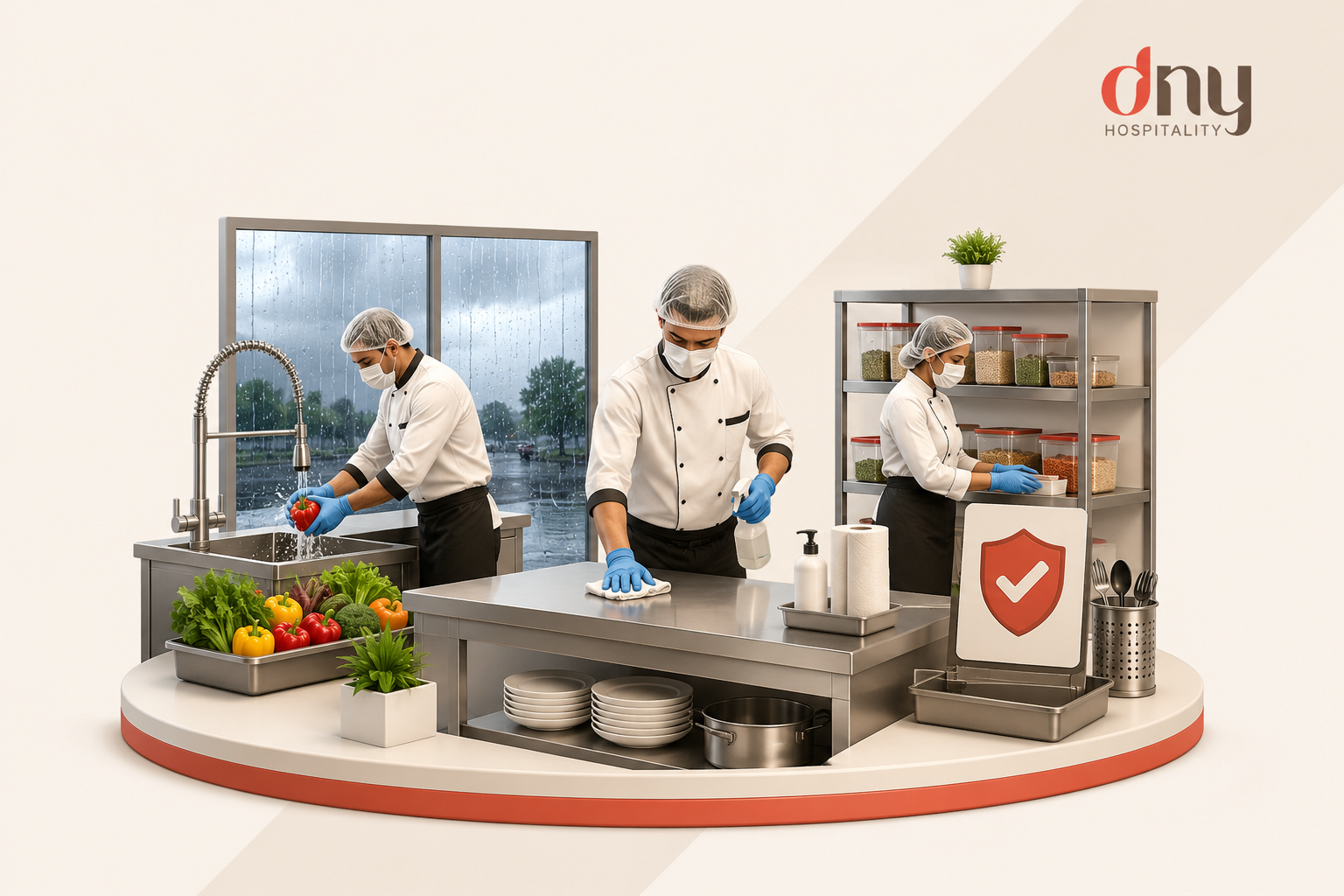
Restaurant Hygiene During the Monsoon: Essential Food Safety Practices Every Restaurant Owner Should Follow
Introduction
For restaurants, the monsoon season often brings increased customer traffic. Rainy weather encourages people to order hot beverages, comforting meals, soups, and snacks, creating an excellent opportunity to boost sales. However, alongside this increased demand comes a new set of operational challenges that can directly affect food safety and customer satisfaction.
High humidity, water leakage, pest infestations, damp storage areas, and frequent power fluctuations create ideal conditions for bacteria and mould to grow. If these issues are ignored, even a small lapse in hygiene can lead to food contamination, customer complaints, poor online reviews, and damage to your restaurant's reputation.
Restaurant hygiene during the monsoon is not simply about keeping the kitchen clean. It is about maintaining consistent food quality, protecting your customers, ensuring regulatory compliance, and keeping your operations running smoothly despite seasonal challenges. A proactive approach today can prevent expensive problems tomorrow.
Whether you operate a restaurant, café, cloud kitchen, or quick-service restaurant, following structured hygiene practices throughout the rainy season will help you deliver a safe and reliable dining experience.
Why Restaurant Hygiene Requires Extra Attention During the Monsoon
The rainy season creates the perfect environment for harmful microorganisms to multiply. Increased humidity and warm temperatures allow bacteria, fungi, and mould to grow much faster than usual, especially on food, kitchen equipment, storage containers, and preparation surfaces. Ingredients that remain safe during dry weather may spoil much more quickly during the monsoon if they are not stored and handled correctly.
Restaurants also face additional operational challenges during this period. Delayed supplier deliveries, leaking roofs, blocked drainage systems, contaminated water, and increased pest activity can all disrupt daily operations and increase the risk of cross-contamination. Without proper systems in place, these small issues can quickly become major food safety concerns.
Successful restaurants do not wait until problems appear. They prepare their kitchens in advance by strengthening hygiene procedures, training their staff, and carrying out regular inspections. Preventive action is always less expensive than dealing with food safety incidents after they occur.
1. Store Ingredients Properly to Prevent Moisture Damage
Moisture is one of the biggest threats to food quality during the monsoon. Dry ingredients such as flour, rice, spices, sugar, tea, coffee, and seasoning powders absorb moisture very easily, which reduces their shelf life and increases the risk of mould formation. Fresh vegetables and fruits are also more likely to spoil during this season, making regular inspections even more important.
To reduce these risks, ingredients should always be stored in airtight, food-grade containers and placed on raised shelves instead of directly on the floor. Storage rooms should remain clean, dry, and properly ventilated to control humidity levels. Fresh produce should be inspected daily, and any damaged or spoiled items should be removed immediately to prevent contamination from spreading to other ingredients.
Many restaurants continue using ingredients that appear only slightly damp, assuming they are still safe after cooking. In reality, moisture can encourage microbial growth long before any visible signs appear. Discarding compromised ingredients at the right time protects both food quality and customer safety.
2. Increase Kitchen Cleaning Throughout the Day
Cleaning routines that work during the rest of the year are often not enough during the monsoon. High humidity causes grease, moisture, and bacteria to accumulate much faster on food preparation surfaces, kitchen equipment, sinks, and storage areas. Waiting until the end of the day to clean increases the chances of cross-contamination and creates unnecessary food safety risks.
Instead of relying only on opening and closing cleaning routines, restaurants should implement scheduled cleaning throughout the day. Frequently used areas such as food preparation counters, chopping boards, sinks, refrigerator handles, storage shelves, drainage areas, and service counters should be cleaned and sanitised at regular intervals using food-safe cleaning products. This approach not only improves hygiene but also creates a cleaner and more organised working environment for kitchen staff.
Using separate colour-coded chopping boards for vegetables, poultry, seafood, and cooked food is another simple practice that significantly reduces the risk of cross-contamination. Small operational habits like these help maintain consistency and improve overall kitchen safety.
3. Monitor Refrigerator and Freezer Temperatures Regularly
Power outages and voltage fluctuations are common during the rainy season, and they can affect refrigeration without immediately being noticed by staff. Even a brief interruption in cooling can reduce the shelf life of meat, dairy products, seafood, sauces, and other perishable ingredients, increasing the risk of food spoilage.
Every restaurant should maintain a temperature monitoring log and assign responsibility to staff members for checking refrigerators and freezers several times each day. Recording temperatures consistently helps identify equipment problems before they lead to product loss. Investing in digital temperature monitoring devices with alarm systems can provide an additional layer of protection by alerting staff whenever temperatures move outside the recommended range.
Proper organisation inside refrigerators is equally important. Raw meat should always be stored separately from ready-to-eat food, and shelves should never be overloaded, as restricted airflow prevents even cooling. Maintaining correct storage temperatures not only protects food quality but also reduces waste and helps restaurants maintain consistent product standards.
4. Ensure Safe Water Quality Throughout the Season
Water plays an essential role in every restaurant operation. It is used for washing vegetables, preparing beverages, making ice, cleaning utensils, and cooking food. During the monsoon, however, water quality can deteriorate because of flooding, damaged pipelines, or poorly maintained storage systems. Using contaminated water can compromise food safety across multiple areas of the kitchen.
Restaurants should inspect water tanks, filtration systems, RO units, and ice machines regularly to ensure they are functioning correctly. Storage tanks should be cleaned before the monsoon begins and inspected periodically throughout the season. Staff should also be encouraged to report any unusual colour, smell, or taste in the water immediately so that corrective action can be taken without delay.
Ice is another area that is frequently overlooked. Since it comes into direct contact with beverages and ready-to-eat food, contaminated ice can spread bacteria just as easily as unsafe drinking water. Regular maintenance of ice machines should therefore be part of every restaurant's hygiene routine.
5. Prevent Pest Infestations Before They Become a Problem
The monsoon creates ideal conditions for pests such as cockroaches, rodents, flies, ants, and mosquitoes. Besides being unpleasant, these pests carry harmful bacteria that can contaminate food, utensils, storage areas, and preparation surfaces. A single pest sighting by a customer can damage your restaurant's reputation and result in negative online reviews that are difficult to recover from.
Rather than responding after pests appear, restaurants should focus on prevention. Seal gaps around doors and windows, install insect screens where necessary, keep storage areas clean and dry, and never leave food uncovered for long periods. Waste bins should always remain closed and be emptied several times a day. Scheduling regular inspections with a certified pest control agency is one of the most effective ways to reduce long-term risks and maintain a hygienic kitchen environment.
6. Reinforce Personal Hygiene Among Staff
A clean kitchen alone cannot guarantee food safety if employees fail to maintain proper personal hygiene. During the monsoon, staff often arrive with wet shoes, damp uniforms, or dirty hands after travelling through heavy rain. Without proper hygiene practices, these contaminants can easily enter food preparation areas.
Restaurants should reinforce handwashing before food preparation, after handling raw ingredients, after using the washroom, and after disposing of waste. Clean uniforms, hairnets, gloves, trimmed nails, and proper grooming should be part of the daily operational routine rather than occasional reminders.
Short hygiene briefings at the beginning of every shift can significantly improve staff awareness. These five-minute discussions help reinforce food safety standards, remind employees of seasonal risks, and encourage accountability across the kitchen team.
7. Improve Waste Management Practices
Waste management becomes even more important during the rainy season because food waste decomposes much faster in humid conditions. Overflowing bins not only create unpleasant odours but also attract insects and rodents, increasing the risk of contamination throughout the restaurant.
Develop a routine for separating wet and dry waste, emptying bins multiple times during the day, and disinfecting waste containers after each disposal cycle. Outdoor waste collection areas should also remain clean and located away from customer-facing spaces whenever possible.
Good waste management protects food safety, improves staff hygiene, and creates a cleaner environment for both employees and guests.
8. Follow Safe Food Handling Practices
Safe food handling should become even more disciplined during the monsoon. Since bacteria multiply rapidly in warm and humid conditions, ingredients should never remain at room temperature longer than necessary. Raw food and cooked food must always be stored separately to minimise the risk of cross-contamination.
Fresh fruits and vegetables should be washed thoroughly before use, and prepared food should be labelled with preparation dates and times to improve stock rotation. Following the FIFO (First In, First Out) inventory method helps reduce food wastage while ensuring older stock is used before newer supplies.
Consistency is the key to food safety. Well-documented food handling procedures help every member of the kitchen team follow the same standards, regardless of who is on duty.
9. Stay Compliant with FSSAI Food Safety Standards
Maintaining proper hygiene is not only good business practice but also a regulatory responsibility. Restaurants should ensure that their operations comply with the food safety guidelines issued by the Food Safety and Standards Authority of India (FSSAI).
This includes maintaining clean food preparation areas, using safe drinking water, monitoring storage temperatures, maintaining personal hygiene among staff, keeping cleaning records, and following proper waste disposal procedures. Conducting internal hygiene audits throughout the monsoon season helps identify operational gaps before they become compliance issues.
Restaurants that consistently follow food safety standards not only reduce health risks but also build stronger customer trust and improve their long-term reputation.
10. Prepare Your Restaurant for Monsoon Emergencies
Heavy rainfall can disrupt restaurant operations without warning. Flooding, power failures, delayed supplier deliveries, blocked drainage systems, and temporary water shortages can all affect daily business. Having a clear contingency plan helps your team respond quickly and minimise operational disruption.
Every restaurant should maintain backup lighting, emergency cleaning supplies, waterproof storage materials, and updated supplier contact lists. Staff should understand their responsibilities during emergencies and know how to protect food inventory, maintain hygiene standards, and continue operations safely wherever possible.
Restaurants with documented emergency SOPs recover much faster than those relying on last-minute decisions. Preparation not only protects your business but also demonstrates professionalism during unexpected situations.
Key Takeaways
The monsoon season brings additional operational challenges, but it also provides an opportunity for restaurants to strengthen their food safety systems. Maintaining proper storage conditions, increasing cleaning frequency, monitoring refrigeration, ensuring safe water quality, preventing pest infestations, improving staff hygiene, managing waste effectively, and following FSSAI guidelines all contribute to a safer and more efficient operation.
Restaurants that invest in preventive hygiene practices experience fewer operational disruptions, lower food wastage, greater customer confidence, and stronger brand credibility throughout the rainy season.
Conclusion
Restaurant hygiene should never be viewed as a seasonal responsibility. It is an essential operational system that protects food quality, customer trust, and long-term business performance. During the monsoon, maintaining high hygiene standards becomes even more important because environmental conditions make contamination risks significantly higher.
The most successful restaurants are those that build consistent systems rather than relying on individual effort. Regular inspections, documented SOPs, staff training, preventive maintenance, and disciplined food handling practices create a culture of food safety that customers notice and appreciate.
At DNY Hospitality, we believe restaurants grow sustainably when operations are built on systems, standardisation, and continuous improvement. Strong hygiene practices are not just about compliance—they are part of building a restaurant that customers trust, teams can manage efficiently, and owners can confidently scale.
Frequently Asked Questions
Why is restaurant hygiene more important during the monsoon?
Higher humidity, moisture, and warmer conditions encourage bacteria, mould, and pests to multiply more quickly, increasing the risk of food contamination and foodborne illnesses.
How often should kitchen surfaces be sanitised during the rainy season?
Food preparation surfaces, chopping boards, and high-touch areas should be sanitised at regular intervals throughout the day, particularly after handling raw food and before preparing ready-to-eat items.
What are the biggest food safety risks during the monsoon?
The most common risks include contaminated water, improper food storage, pest infestations, cross-contamination, refrigeration failures, and poor waste management.
How can restaurants reduce food spoilage during heavy rains?
Restaurants should monitor refrigeration temperatures, store ingredients correctly, inspect fresh produce daily, follow the FIFO inventory method, and avoid leaving perishable food at room temperature for extended periods.
How do strong hygiene practices benefit a restaurant?
Consistent hygiene standards improve customer confidence, reduce food safety risks, support FSSAI compliance, minimise food wastage, strengthen brand reputation, and create a solid foundation for long-term operational excellence and business growth.
Share


Related Blogs

DNY Hospitality: A Leading Restaurant Consultant
DNY Hospitality takes pride in introducing itself as one of the highly sagacious restaurant consultant in the F&B business.

25 Reasons Why You Need a Restaurant Consultant
Opting for a professional restaurant consultant in the making of your restaurant or food & beverage venture is of high value in the standardisation of your brand.

procurement and liaison
DNY Hospitality is a one-stop solution for your Restaurant consulting & Procurement & Liaison for setup. DNY liaisons with A to Z vendors for procurement of restaurant & hotel supplies.