What's the Real Food Business Failure Rate in India - and Why Do They Actually Fail?
2026-07-10
7 Mins Read
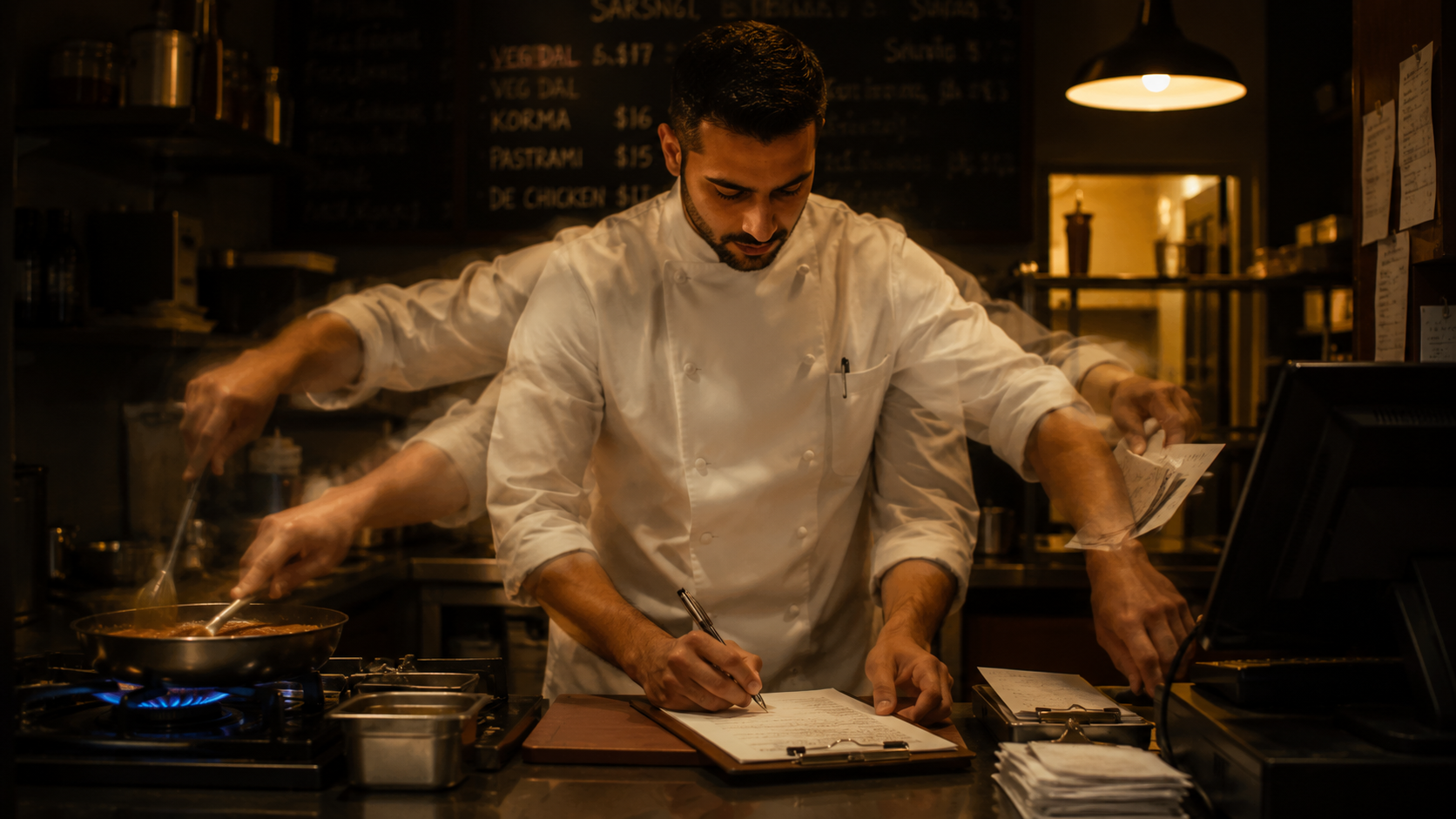
There's no single, verified number for India's food business failure rate. Anyone who quotes you an exact percentage is probably repeating a blog post that repeated another blog post. What DNY Hospitality can tell you, after 550+ projects and 11+ years of walking into kitchens after they've already gone wrong, is which specific decisions kill a food business - and almost none of them happen at the point of closing. They happen months earlier, usually before the doors even open.
Yash Dalwani, Co-Founder and CEO of DNY Hospitality, is blunt about the number chase: founders obsess over the failure percentage because it feels like the answer, when the useful information is the pattern underneath it. You can't fix a statistic. You can fix a lease signed for the wrong format, or a menu nobody costed.
So what percentage of food businesses actually fail?
You'll see everything from 60% to 90% cited for first-year closures in India, usually traced back to the same handful of unattributed "industry estimates" recycled across blogs. No government or industry body publishes a clean, verified figure for India specifically, so treat any exact number with suspicion - including ours, if we ever gave you one.
What isn't in dispute, because it shows up on every audit, is that the businesses that close rarely fail because of bad luck or a tough market. They fail because of decisions made at the planning stage - before a single customer walked in - that nobody caught in time. That's the more useful thing to focus on: not a percentage, but a pattern.
Yash's framing is that by the time a business is "failing," the cause is usually twelve to eighteen months old. The closing month is just when the bill arrives.
Reason 1: They validated the idea, not the format
Most first-time founders fall in love with a concept - "authentic Korean," "healthy bowls," "artisanal ice cream" - and skip the harder question: is this the right format, in this location, at this size? A cloud kitchen (delivery-only, no dine-in, orders via Zomato and Swiggy) and a 40-seat café have completely different cost structures, break-even timelines, and customer expectations, even when the food is identical.
DNY treats format viability as the first decision, not the last. Is 200 sq ft enough for this concept, or does it actually need 500? Is this a QSR customer base or a fine-dine one? Skip this step and you end up with a great dish and a lease that was wrong from day one.
For Yash, this is where the CEO instinct and the founder instinct pull apart. The founder asks whether people will love the food. The operator asks whether the format can make money at the rent you're about to sign for. Both questions matter, but only one of them gets asked early enough.
Reason 2: The menu was designed with passion, not food cost %
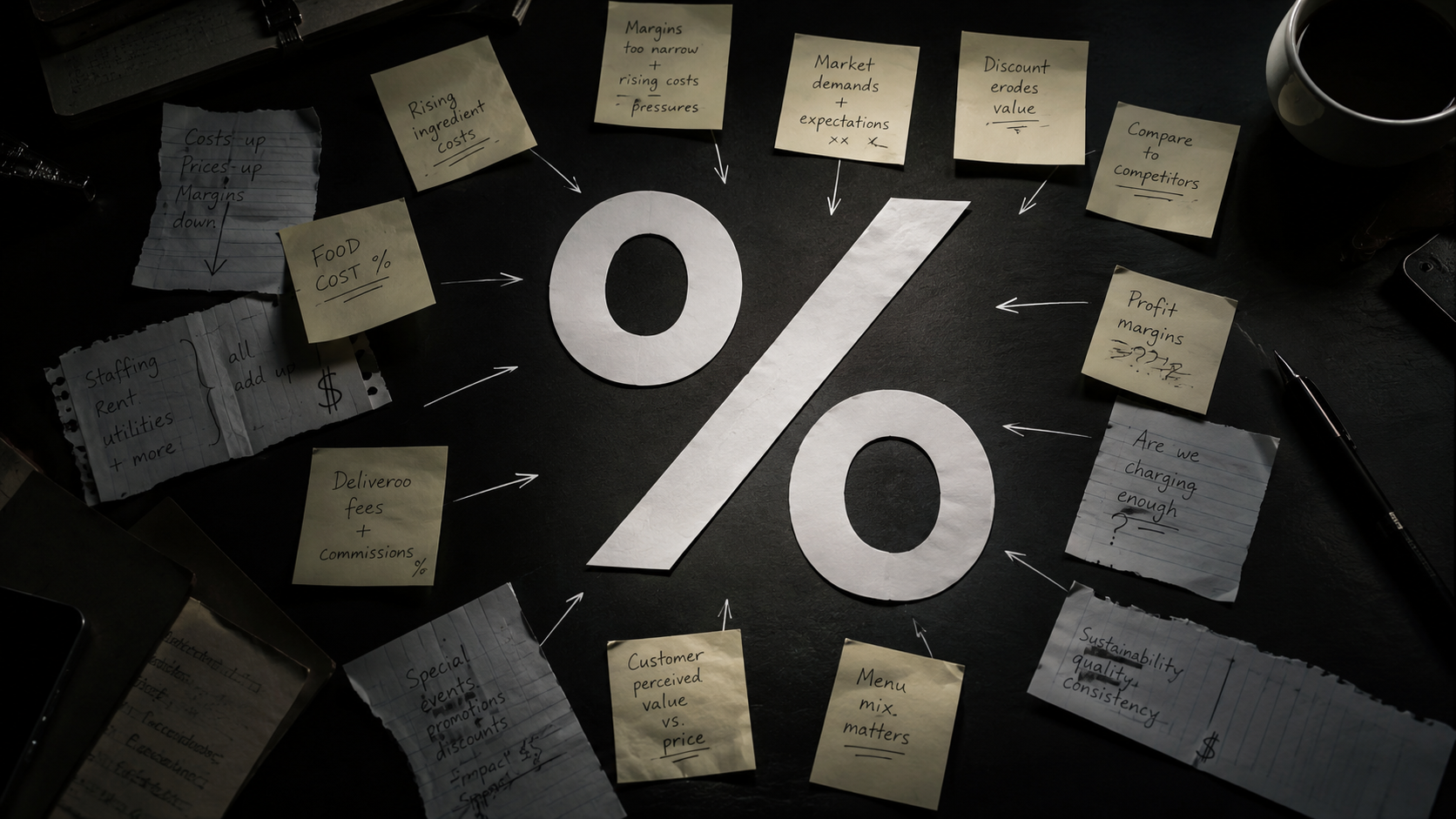
A menu built purely around "dishes I love" tends to ignore Food Cost % - the share of your selling price that goes to raw ingredients, with a healthy target around 25–30%. Without grammage (the exact weight of each ingredient in a recipe, which controls both taste consistency and cost), the same dish can cost 20% more to make on a Tuesday than it did on a Monday, depending on who's cooking.
At Kandoori, a 4-outlet multicuisine brand in Sri Lanka, DNY found exactly this: high cost leakage with no real visibility into what each dish was actually costing to produce. Rebuilding sales and purchase data traceability and upgrading the recipes turned the business from a leaking format into a profit centre in 9 months. The fix wasn't a new menu - it was knowing what the old one actually cost.
Yash's line on this: a menu is a financial document before it's a creative one. You can love a dish and still refuse to sell it at a loss on every plate.
Reason 3: The business only works when the owner is physically present
This is the single most common pattern in struggling businesses - a founder who is the head chef, the cashier, the manager, and the quality control all at once. It works, right up until they take a day off, get sick, or try to open a second outlet, and everything drops at the same time.
The fix is SOPs (Standard Operating Procedures - written, step-by-step processes so every shift runs the same way regardless of who's on duty), not motivation or hiring "better" staff. At Shree Krishna Refreshments, a 40-year-old traditional snacks brand in Dadar, system-driven operations and clearer recipe consistency cut kitchen order pickup time from 20 minutes to 7, without the owner personally supervising every ticket.
This is the point Yash returns to most, and it maps directly to how he thinks about scale. A business that depends on the founder's physical presence isn't a business yet - it's a job the founder gave themselves. You can't franchise a personality, and you can't take a sick day from one. Systems are what let a good concept exist in more than one place at a time.
Reason 4: They ran out of cash before they ran out of good ideas
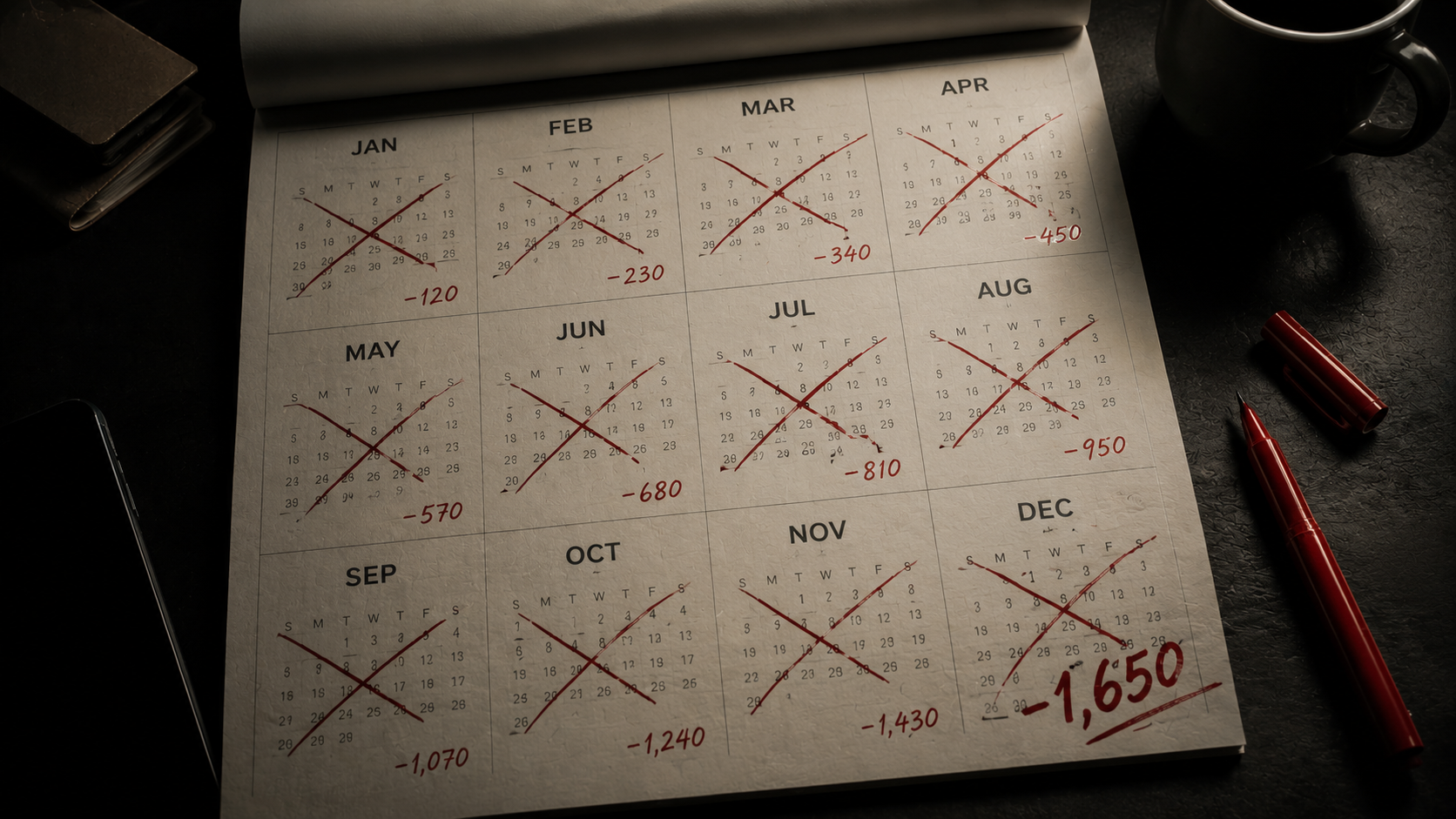
A restaurant losing money in month four isn't necessarily a failed concept. It might just be a concept that hasn't reached breakeven yet, which usually takes 6–12 months for most F&B businesses. The founders who close early are rarely the ones with a bad idea - they're the ones who budgeted three or four months of running capital and panicked when the math looked ugly in month three.
This is why DNY plans running capital for 11 months upfront as a standard benchmark, not a suggestion. It's the difference between a business that's "still finding its feet" and one that's "shutting down" - and the underlying numbers can look identical in both.
Yash is direct that this is where most avoidable closures live. The concept didn't fail; the founder ran out of runway right before takeoff. Underfunding the opening is the most expensive way to save money in this industry.
Reason 5: The kitchen was never designed, just filled with equipment
A kitchen assembled piece by piece - a fridge here, a fryer there, wherever there was space - creates slow tickets, exhausted staff, and hidden fire risk long before it creates visible losses. MEP planning (Mechanical, Electrical and Plumbing - the wiring, gas lines, water, and exhaust that need mapping before construction, not after) and a proper kitchen BOQ (Bill of Quantities - an itemised list of every piece of equipment with exact specs) exist precisely so a founder isn't discovering the layout doesn't work after the tiles are already down.
Yash's take: the kitchen is your factory floor, and nobody builds a factory by shoving machines wherever they fit. Every extra step a cook takes at 8 PM on a Saturday is a ticket that's late and a customer who isn't coming back.
Reason 6: Nobody was watching EBITDA until it was already a crisis
EBITDA - operating profit before interest, tax, depreciation, and amortisation, with a healthy F&B range around 15–25% - is the earliest warning system a food business has, yet most owners look at it once a year, if at all. At WOFL, DNY's Dubai-based dessert brand client, EBITDA had drifted to -5% before it was treated as an emergency rather than "a slow quarter." Tracing it to one non-performing, high-rent location and inconsistent product execution took the business from -5% to +15% EBITDA in six months - but only once someone was actually checking the number monthly.
For Yash, this is the whole argument for financial visibility in one example. The problem at WOFL wasn't the -5%; it was that -5% went unnoticed long enough to feel normal. A number you check monthly is a warning. A number you check yearly is an autopsy.
What actually determines whether a food business survives
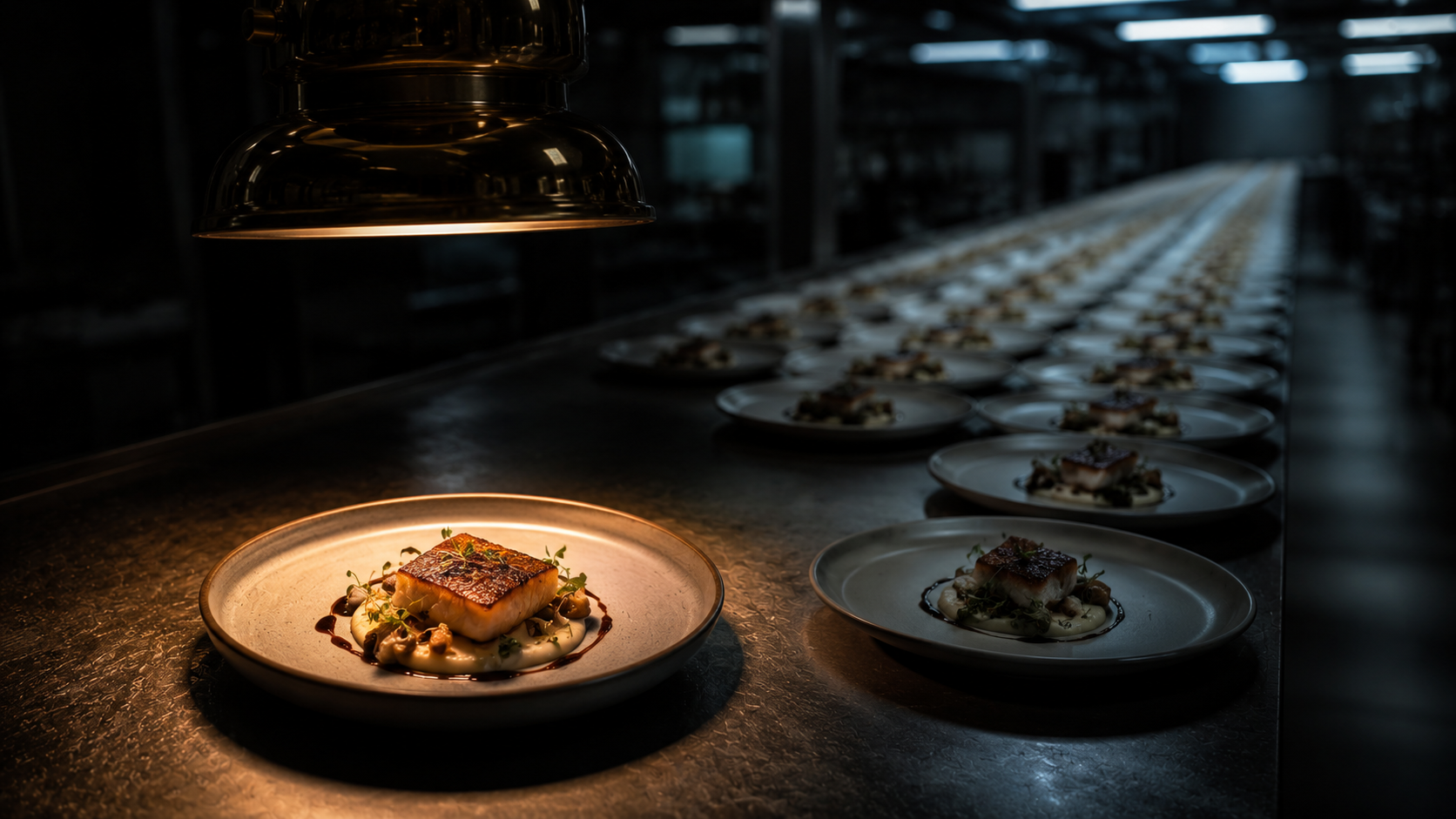
None of the six reasons above are about the food being bad. In DNY's experience, that's rarely why a business closes. A passable dish backed by a real system usually outlasts an incredible dish with no system behind it. Format, menu economics, SOPs, running capital, kitchen design, and monthly financial visibility decide survival long before "did people like the food" does.
Yash sums it up the way a CEO would: taste gets you the first customer, systems get you the next thousand. Most closures happen because the founder nailed the first job and never started the second.
Talk to DNY: If you're at the planning stage and want someone to pressure-test the format, the menu economics, and the numbers before you sign a lease - not after - DNY's Brand Positioning & Viability team runs exactly this assessment. Reach out at support@dnyhospitality.com or dnyhospitality.com.
Share


Related Blogs
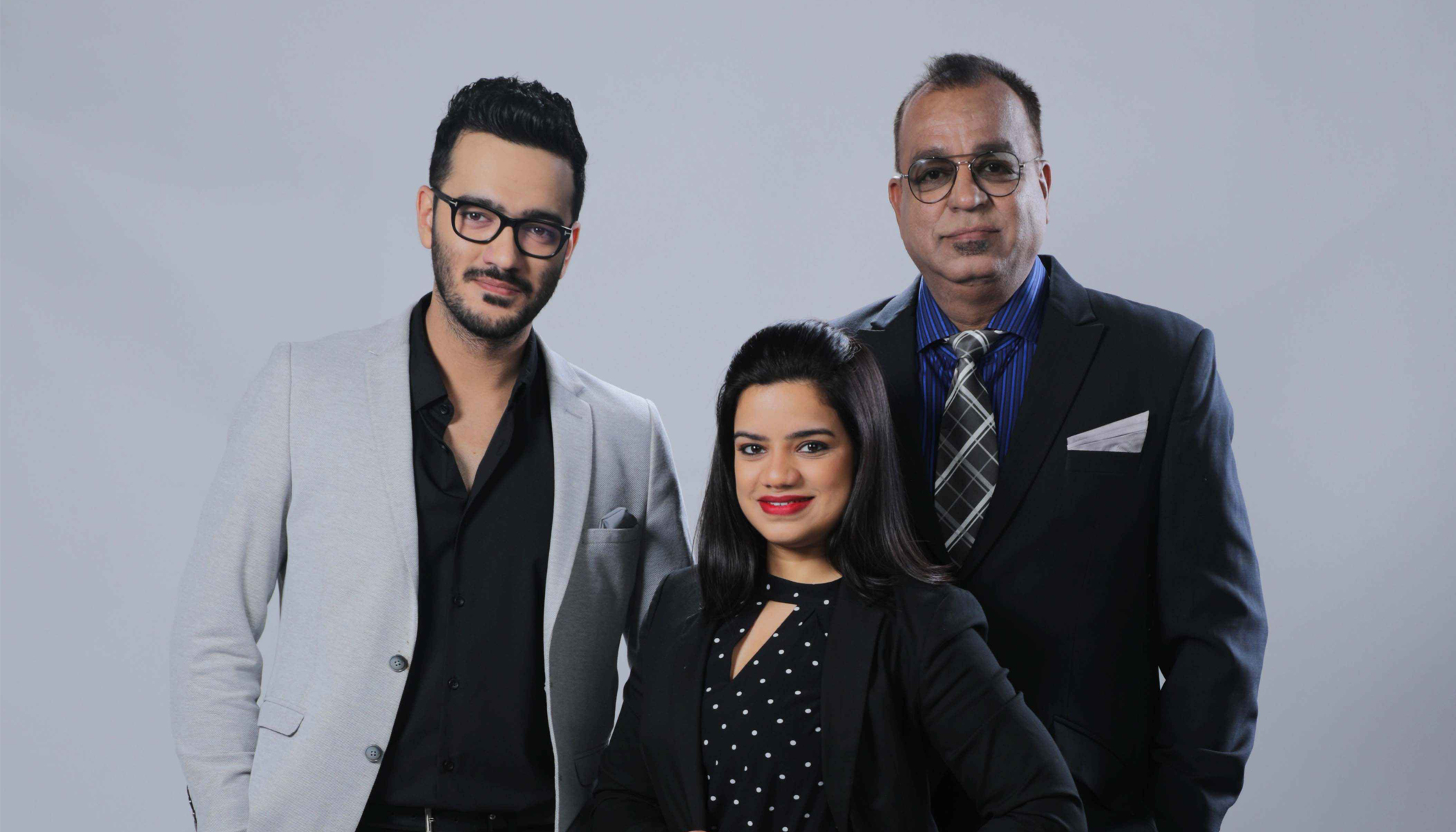
DNY Hospitality: A Leading Restaurant Consultant
DNY Hospitality takes pride in introducing itself as one of the highly sagacious restaurant consultant in the F&B business.

25 Reasons Why You Need a Restaurant Consultant
Opting for a professional restaurant consultant in the making of your restaurant or food & beverage venture is of high value in the standardisation of your brand.

procurement and liaison
DNY Hospitality is a one-stop solution for your Restaurant consulting & Procurement & Liaison for setup. DNY liaisons with A to Z vendors for procurement of restaurant & hotel supplies.